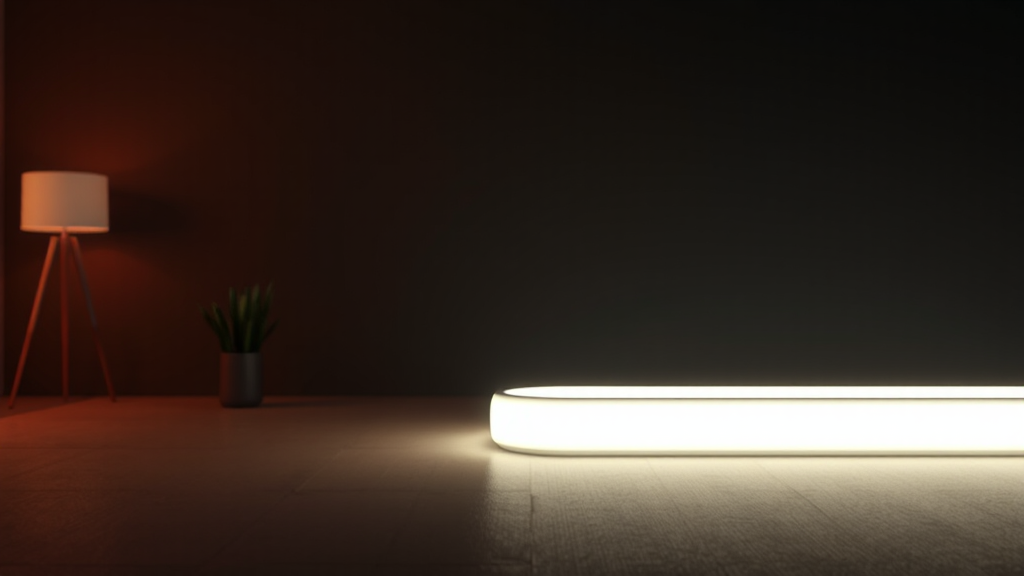
The Ultimate Guide to Benzi LED: Transform Your Space with Modern Lighting
Lighting has evolved far beyond simple illumination. Today, it is a cornerstone of interior design, energy efficiency, and personal expression. Among the most versatile and popular lighting solutions available, benzi led stands out as a game-changer. Whether you are looking to enhance your home, office, or commercial space, understanding the full potential of LED strip lights can open up a world of creative possibilities. This comprehensive guide will explore everything you need to know about benzi LED, from installation tips to design ideas, and how to choose the right products for your needs.
LED strip lighting, often referred to as tape light or ribbon light, consists of a flexible circuit board populated with surface-mounted light-emitting diodes (SMD LEDs). These strips can be cut to specific lengths, adhered to various surfaces, and controlled with dimmers, remote controls, or smart home systems. The term ‘benzi led’ has become synonymous with high-quality, reliable LED strips that offer exceptional brightness, color accuracy, and durability. In this article, we will dive deep into the features, benefits, and applications of these remarkable lighting solutions.
What is Benzi LED and Why Choose It?
Benzi LED refers to a specific category of LED strip lights known for their superior build quality and performance. Unlike generic strips that may fade or fail after a few months, benzi LED products are designed to last. They typically feature high-grade copper circuits, robust adhesive backing, and efficient chips that produce vibrant light while consuming minimal power. The name itself has become a trusted brand indicator in the lighting industry, often associated with innovation and reliability. When you invest in benzi LED, you are choosing a product that prioritizes longevity and consistent output, making it ideal for both accent and primary lighting.
One of the primary reasons to opt for benzi LED over other options is the sheer versatility. These strips can be used in countless settings: under cabinets, along staircases, behind TVs, inside display cases, or as cove lighting in ceilings. They are also available in a wide range of color temperatures—from warm white (2700K) to cool daylight (6500K)—as well as RGB and RGBW options for dynamic color effects. Additionally, a proiector led can be paired with benzi LED strips to create a more focused beam for task lighting or to highlight artwork, adding another layer of functionality to your lighting scheme.
Key Benefits of Using Benzi LED Strips
The advantages of incorporating benzi LED into your lighting design are numerous. First and foremost is energy efficiency. LEDs consume up to 80% less energy than traditional incandescent bulbs and last significantly longer—often 50,000 hours or more. This translates to lower electricity bills and reduced maintenance costs. Moreover, benzi LED strips generate very little heat, making them safe to use in tight spaces and around sensitive materials like wood or fabric.
Another major benefit is the ease of installation. Most benzi LED strips come with a self-adhesive backing that allows you to simply peel and stick them onto clean, dry surfaces. They can be cut at designated intervals (usually every 1-2 inches) to fit your exact dimensions, and connectors make it simple to join sections or add power supplies. For those who want to get creative, an aplica led (LED application) can be used to mount the strips in a more permanent or decorative way, such as inside aluminum channels for a sleek, professional look. This flexibility ensures that even DIY enthusiasts can achieve stunning results without professional help.
Additionally, benzi LED strips offer superior light quality. With high Color Rendering Index (CRI) ratings, these lights accurately represent colors, making them perfect for retail displays, art galleries, or any space where color accuracy is important. The ability to dim or change colors also allows you to set the mood instantly, whether you want a calm, relaxing ambiance or a vibrant, energetic atmosphere.
Creative Applications for Benzi LED in Your Home
One of the most exciting aspects of benzi LED is its ability to transform ordinary spaces into extraordinary ones. In the kitchen, for example, installing strips under cabinets provides task lighting for food preparation while adding a modern, floating effect to the countertops. In the living room, cove lighting behind crown molding or along the ceiling perimeter creates a soft, indirect glow that makes the room feel larger and more inviting. You can also use spoturi led (LED spotlights) in combination with strips to highlight specific features like a fireplace, a piece of art, or a bookshelf.
Bedrooms can benefit from benzi LED as well. Placing strips behind the headboard or along the base of the bed frame creates a gentle, ambient light that is perfect for winding down at night. For home theaters or gaming setups, RGB strips that sync with audio or video content can immerse you in the action. Even bathrooms and hallways can be enhanced with motion-activated strips that provide safety lighting without being harsh on the eyes. The key is to think beyond traditional fixtures and embrace the flexibility of LED strips.
How to Install Benzi LED: A Step-by-Step Guide
Installing benzi LED strips is a straightforward process that most people can complete in an afternoon. Before you begin, gather your materials: the LED strip, a compatible power supply, connectors (if needed), a cleaning cloth, and optionally, aluminum channels for a polished finish. Start by measuring the area where you plan to install the strip. Cut the strip at the designated cut lines—these are usually marked with a scissor icon and copper pads.
Next, clean the surface thoroughly to ensure the adhesive sticks properly. Wipe away dust, grease, or moisture with a damp cloth and let it dry completely. Peel the backing from the strip and press it firmly onto the surface, starting from one end and working your way across. If you need to turn corners, use corner connectors or bend the strip gently (some strips are flexible enough for 90-degree bends). Finally, connect the strip to the power supply and test it. For a more permanent installation, consider using an aplica led (LED application) such as silicone or epoxy to seal the strips against moisture in kitchens or bathrooms.
If you are working with a proiector led (LED projector) for outdoor or large-area lighting, the installation process may differ slightly. These units often require mounting brackets and proper wiring, but they can be integrated with benzi LED strips for a cohesive lighting system. Always follow the manufacturer’s instructions and consult a licensed electrician if you are unsure about electrical connections.
Choosing the Right Benzi LED for Your Project
With so many options on the market, selecting the perfect benzi LED strip can be overwhelming. Start by considering the purpose of the lighting. For accent or decorative lighting, a lower density strip (30 LEDs per meter) may suffice. For task lighting or areas that require more brightness, opt for a higher density (60, 120, or even 144 LEDs per meter). Color temperature is another crucial factor. Warm white (2700K-3000K) creates a cozy, inviting atmosphere, while cool white (4000K-5000K) is better for workspaces. Daylight (6000K+) mimics natural light and is ideal for garages or workshops.
You should also consider the IP rating if the strips will be exposed to moisture. IP20 is suitable for indoor dry areas, while IP65 or IP67 is required for bathrooms, kitchens, or outdoor use. Additionally, think about control options. Many benzi LED strips come with remote controls or can be integrated with smart home systems like Alexa or Google Home for voice control. Finally, don’t forget to calculate the total power consumption to ensure your power supply can handle the load. A proiector led (LED projector) may require a higher wattage supply, so check the specifications carefully.
Another important consideration is the use of spoturi led (LED spotlights) to complement your strip lighting. These can be used to create focal points or to add depth to a room. For instance, you might use warm white benzi LED strips along a hallway and install cool white spotlights to illuminate artwork at the end. This combination of ambient and accent lighting can dramatically enhance the visual interest of any space.
Maintenance and Longevity of Benzi LED
One of the greatest appeals of benzi LED is its low maintenance requirements. Unlike fluorescent or incandescent bulbs that need frequent replacement, LED strips can last for years with minimal attention. However, to maximize their lifespan, there are a few simple steps you can take. First, ensure proper ventilation around the strips. While LEDs produce less heat than traditional lights, they still generate some warmth, and excessive heat can degrade the components over time. Avoid enclosing strips in tight spaces without airflow unless they are specifically designed for that purpose.
Second, use a quality power supply that matches the voltage and current requirements of your strips. A cheap or mismatched power supply can cause flickering, reduced brightness, or even damage. Third, keep the strips clean. Dust and grime can accumulate on the surface, reducing light output. A gentle wipe with a dry cloth every few months is usually sufficient. If you have installed an aplica led (LED application) like a diffuser channel, clean the diffuser as well to maintain even light distribution.
Finally, consider using dimmers or timers to reduce the time the strips are operating at full brightness. This not only saves energy but also extends the life of the LEDs. With proper care, your benzi LED strips can provide beautiful, reliable lighting for a decade or more, making them a smart investment for any home or business.
FAQs
What is the difference between benzi LED and regular LED strips?
Benzi LED strips are typically manufactured with higher quality materials, including thicker copper circuits and better LED chips, resulting in more consistent brightness, better color accuracy, and longer lifespan compared to generic budget strips. They also often come with better warranties and customer support.
Can I use benzi LED outdoors?
Yes, but you must choose strips with an appropriate IP rating. For outdoor use, look for IP65 or higher, which indicates protection against dust and water jets. Additionally, ensure the power supply is placed in a dry, sheltered location to avoid electrical hazards.
How do I cut and reconnect benzi LED strips?
Most benzi LED strips have designated cut lines every few inches. Use sharp scissors to cut along these lines. To reconnect sections, you can use solderless connectors or solder wires directly to the copper pads. Always test the connection before finalizing the installation.
Do benzi LED strips work with smart home systems?
Many benzi LED products are compatible with smart home platforms like Alexa, Google Home, or Apple HomeKit, especially if they come with a Wi-Fi or Bluetooth controller. Check the product specifications to ensure compatibility with your preferred system.
What is the best way to hide benzi LED strips?
Aluminum channels (also called LED profiles) are the most popular solution for hiding strips while diffusing the light for a smooth, uniform glow. They can be recessed into walls or ceilings, surface-mounted, or used as corner pieces. Alternatively, you can hide strips behind crown molding, under cabinets, or inside coves.